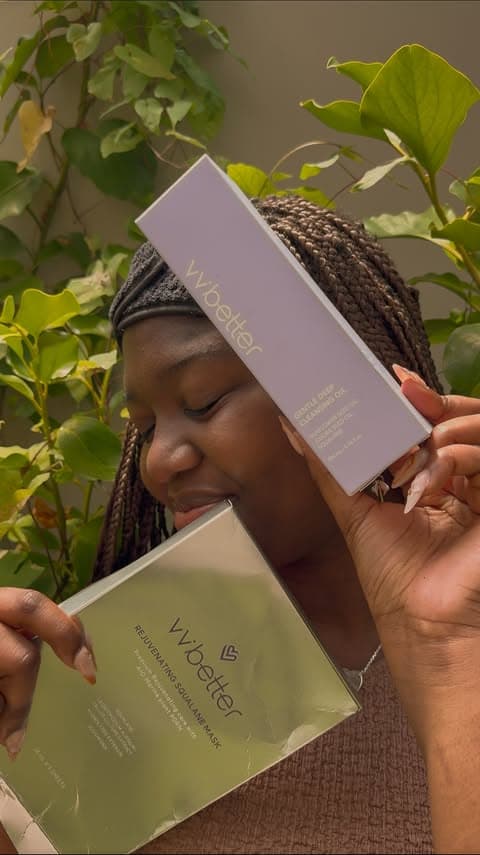
 KieshellKieshell
 Michael Collins · Singapore
 Michael Collins · SingaporeMichael Collins · SingaporeKieshellMichael Collins · Singapore
 Kelicia Ong · SingaporeMichael Collins · SingaporeKieshellMichael Collins · SingaporeMichael Collins · SingaporeMichael Collins · Singapore
 Kelicia Ong · SingaporeKieshellMichael Collins · Singapore
 Kelicia Ong · SingaporeMichael Collins · SingaporeKieshell
 Kelicia Ong · SingaporeMichael Collins · Singapore
Beauty influencers in New Zealand
New Zealand beauty content is written by climate. Strong UV even in winter, cool dry air and real outdoor exposure make sun care, barrier repair and weatherproof routines the substance of the category rather than a seasonal add-on, and audiences expect a product to be judged against a genuine run of days. Minimal makeup and skin that looks lived-in consistently outperform a heavily finished look.
Open spot
Make beauty content in New Zealand? Opt in to being featured when you set up your workspace.
Set up your workspaceFeatured / 1
Featured beauty influencers in New Zealand
Each one opted in to be featured, so you can see their work and what they charge. Creators set their own rates and agree work with brands directly.
The Creator List isn't somewhere to hire creators. To work with someone here, get in touch with them directly through their profile links.
What works
Beauty content that performs in New Zealand
- 01
Honest first impression
A creator uses the product for the first time on camera and says what they actually think, including what it does not do.
Beauty audiences read ingredient lists and call out overclaiming, so a review that names one trade-off is more persuasive than uncritical praise.
Put this in the briefGive the creator permission in writing to mention a drawback, and name the one claim you need kept accurate.
- 02
GRWM routine integration
The product appears in its real place in a get-ready-with-me sequence rather than being demonstrated in isolation.
It shows where the product sits in a routine, which answers the buying question of what it replaces or layers under.
Put this in the briefSpecify the step and the products either side of it, then let the creator use their own routine for the rest.
- 03
Texture and swatch close-up
Tight macro footage of consistency, spread, swatch and finish on skin.
It is the most reusable asset in beauty, cuts cleanly into paid ads, and sells base and colour products where studio shots cannot.
Put this in the briefAsk for clean, uninterrupted macro takes with no talking track so the footage can be recut later.
- 04
Results check-in
A second or third video filmed two to four weeks after the first, with the same lighting and framing.
Considered skincare purchases need evidence over time, and consistent framing is what makes a change believable.
Put this in the briefBook both videos up front, agree the lighting and angle at the first shoot, and set the return date in the contract.
- 05
Shade and skin-type match
The creator names their skin type, tone and concerns, then explains which variant they chose and why.
It converts the viewers who share that skin profile, which is a far better filter than broad reach.
Put this in the briefSend the full shade range where possible and ask the creator to state their own skin type on camera.
- 06
Ingredient explainer
A short breakdown of one active, what it does, who it suits and how to layer it.
It builds category authority and gives a considered product a reason to be bought beyond packaging.
Put this in the briefSupply the claims you can substantiate and the ones you cannot, and keep the scope to a single ingredient.
Rates
Beauty rates move on usage rights far more than on reach. An organic-only review sits at the bottom of the band, roughly S$250 to S$1,200 per video for most creators. Licensing the same video for a 30-day paid run across Meta and TikTok typically adds around 30%, and longer windows and category exclusivity adds more again, because a skincare creator who signs an exclusivity clause is turning down every competing brand for the term.
Who works with them
Usually skincare and cosmetics brands, k-beauty and j-beauty importers, aesthetic clinics, hair and nail salons, DTC beauty, pharmacy and personal care ranges, beauty retailers running always-on paid social.
Working with beauty creators
Why audience fit beats reach in beauty
Beauty is a demonstration category. Nobody buys a serum because a big account mentioned it. They buy because someone with their skin type, their tone and their climate showed them what it does. That makes the size of an audience much less useful as a signal than what the audience turned up for.
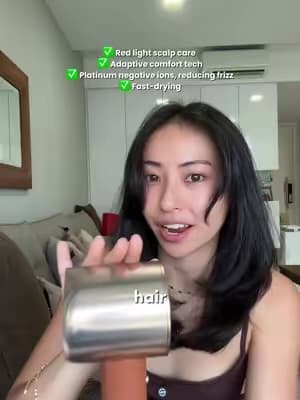
Kelicia Ong (@kelifries) is a featured Singapore creator and works in skincare and k-beauty. Her top TikTok reached 1.2M views, many times her follower count. That gap is what a specific audience can do: the content gets pushed to people who already care about the subject.
The demand behind that is real. TikTok reports that 90% of Southeast Asian users take action after seeing beauty-related sponsored content, which is a higher action rate than almost any other category in the region.
What the climate changes about the brief
Most global beauty content is made for temperate skin. Southeast Asia is not that. Year-round humidity, strong UV and constant air-conditioning produce a different set of concerns: sebum control, enlarged pores, hyperpigmentation on East and Southeast Asian skin tones, and whether a base survives a walk to the MRT.
A creator who lives in that climate is credible about it instantly. When they say a sunscreen does not pill under makeup in Singapore humidity, the audience believes it because they share the context. Briefing that specificity in is the cheapest lever available in a beauty campaign.
What actually sets the rate
Reach is the smallest variable. In order of impact: usage rights, exclusivity, deliverable count and turnaround. An organic-only video that lives on the creator's own account is the base rate. The moment you want it running as a paid ad, you are licensing an asset rather than buying a post, and around 30% on top for a 30-day run is the normal ask.
Category exclusivity is the expensive one, and fairly so. A skincare creator agreeing not to work with competing brands for three months is turning down income. Price it as compensation for lost work, not as a favour.
For creators deciding whether to go pro
Beauty is the most competitive niche to enter and the most durable to hold. Two things separate creators who get rebooked from those who do not. The first is footage quality on the macro shots, because that is the part brands cut into ads and cannot reshoot themselves. The second is a written rate card that separates organic from paid usage, so the conversation about ad licensing happens before the video exists rather than after.
Working with creators across the region
Vocabulary changes market by market. Ask for a UGC creator in Singapore and Australia, a KOL in Hong Kong and a KOC in Thailand, and you will be understood immediately. The category emphasis shifts too. Jakarta and Bangkok index heavily towards value-led routines and local brands, Hong Kong towards k-beauty and clinical actives, Singapore and Kuala Lumpur sit between the two.
Creators set their own rates, and you agree the brief, contract and fee with them directly, with no margin in between. The Creator List isn't somewhere to hire creators. It's the workspace creators use to manage deals they've already agreed, and if a creator you work with uses it, you review drafts, leave notes and approve the final cut there for free.
FAQ
Beauty influencers in New Zealand: common questions
Climate and light. UV remains high through winter here, dry air indoors through the cold months and real outdoor exposure change what a product has to do, so a routine tested in a different market will not carry. Give the creator the product for long enough to form a view across conditions, the claims you can substantiate, and the freedom to report where it falls short, because that is what earns trust.
Shade range matters more than it often does elsewhere, since a narrow range reads as an afterthought to this audience. Ask which shades the creator actually wears and whether the full range is available locally, because a shade that cannot be bought in New Zealand will generate complaints rather than sales. Availability, price in NZD and stockists should be in the brief alongside the claims.
Most price between S$250 and S$1,200 per video, with established creators higher and paid-ad usage adding roughly 30% over organic-only for a 30-day run. Category exclusivity adds more again, since a creator who blocks competing brands is turning down work. Creators set their own rates and work with brands direct, so ask for organic and paid usage as separate numbers, and confirm whether re-takes are included.
Yes, because UV stays high through winter, so sun care is an everyday category rather than a summer add-on. Ask the creator to apply the product outdoors in real light and to show how it sits after a commute or under makeup, not in a bathroom at night. Give them the claims you can substantiate and let them film across more than one day, since a single application proves nothing.
Six to eight weeks for a normal campaign, and longer if the product has to reach the creator before a launch date. The creator pool here is compact and it empties through December and January as people take holidays. Southern seasons also matter: a winter barrier campaign reads correctly from May onward, while summer sun content needs filming from October.
We are early, so the honest answer is not many yet. Everyone shown here opted in to be featured, so the names you see are people who chose to show their work rather than a ranking of the best-known accounts in New Zealand.
No. These pages cover Singapore, Malaysia, Indonesia, Hong Kong, Thailand, Australia, New Zealand, Kuala Lumpur, Penang, Johor Bahru, Jakarta and Bangkok, and you can see featured creators in each market from the same place. The Creator List isn't somewhere to hire creators: it's the workspace creators use to manage deals they've already agreed, so you contact and agree work with a creator directly.
Yes. Sign up and you go straight into your workspace, where you manage the brand deals you already have: brief, agreement, drafts, client review, invoice and payment follow-up. When you set up, you can choose your niches and opt in to being featured on pages like this one.
For creators
Your rate, your clients, your terms.
The Creator List is a private workspace for the brand deals you already have: brief, agreement, drafts, client review, invoice and payment follow-up in one place. We don't find work or take a fee on what clients pay you. Start with a 14-day free trial.
Create your accountFor brands
Built for APAC, not bolted on.
Creator work is bought in local terms here: UGC creators in Singapore and Australia, KOLs in Hong Kong, KOCs in Thailand. See the featured beauty influencers and what they charge. The Creator List isn't somewhere to hire creators; if a creator you work with uses it, you review drafts, leave notes and approve the final cut there for free.
See featured creators' workBeauty influencers in other markets