Free social media brief generator
Answer a few guided questions and get a brief a creator can film from, for UGC, TikTok, Instagram or paid ads. Free, no sign-up to start.
Not sure what to budget? Use the UGC cost calculator→
What the generator asks you
Six short steps. These four do the most work.
Your goal
One primary goal and how you'll measure it, so the creator knows what a good video looks like.
Who it's for
Age range, interests and the main market, so the video speaks to the right people.
What you need
Platforms, formats, how many and how long. This is what the creator prices from.
Usage and timeline
Your deadline and where you'll use the content, including ads. Both change the quote.
What makes a brief work
A brief is the cheapest place to fix a video. Four guides on getting it right first time.
 What goes in itGoal, audience, deliverables, usage, dates. The full list.Read the guide →
 Usage rightsSay where the video will run before the creator quotes.Read the guide →
 How it gets filmedWhat the creator does with your brief, shot by shot.Read the guide →
 Scope creepThe extra asks that blow a budget, and how to avoid them.Read the guide →
Then send it to your creator
If they use The Creator List, they paste your brief straight into their workspace and invite you in as their client. You sign the agreement and approve the drafts there, free.
Transform any briefA PDF, an email or a screenshot. Fee, dates and usage pulled out for you to check. Both signUsage and revision rounds agreed before you film. Approved, then invoicedThe invoice goes out from you, and a reminder is drafted if they're late.
How to write a social media brief
A social media brief is a short document that tells a creator or agency exactly what content you need: the goal, the audience, the platforms and formats, the key messages, and the practical details like budget and timeline. A good brief is the difference between content that performs and an expensive guessing game.
At minimum: what you're promoting, your primary goal and how you'll measure it, who the audience is, the platforms and exact deliverables, your tone and key messages, anything to avoid, references you like, and your budget and timeline. This generator walks you through each one so nothing gets missed.
Be specific and lead with the goal. Vague briefs (“make us go viral”) produce vague content. Name the one metric that matters, describe the audience as a real person, and give concrete deliverables (e.g. three 9:16 UGC videos, 15-30 seconds). Add two or three references so the creator can see the vibe you mean.
Deliverables are the specific pieces of content a creator agrees to produce: for example, three 9:16 vertical videos between 15 and 30 seconds, or five static product photos. Being specific protects both sides: the creator knows exactly what they are making, and you know exactly what you will receive. Vague deliverables are the most common cause of brief disputes.
KPI stands for key performance indicator: the single number that tells you whether the content worked. Common KPIs for social media campaigns include video views, cost per lead, click-through rate, add-to-cart rate, and return on ad spend for paid amplification. Picking your KPI before you brief a creator changes the kind of content you should ask for.
Usage rights define where and how you can use content after it is produced. Organic rights mean you can post it on your own social channels. Paid rights mean you can run it as a paid advertisement. Most creators charge more for paid usage because ads extend the reach of their likeness beyond what they agreed to organically. Always confirm usage rights upfront.
Give examples, not adjectives. Sharing a video that captures the feel you want lands faster than writing “warm and friendly.” At minimum, pick two or three descriptors from opposite ends of a spectrum (bold vs soft, fast vs slow-burn, polished vs raw) so the creator understands where you sit. If you have existing content that performed well, share it.
Yes, completely free. Fill it in, enter your email, and you'll get a clean brief you can copy, download, and send to anyone.
More free tools
 UGC cost calculatorFor brands: a working budget for creator content, by followers, videos and extras.Open the tool →
 Creator rate calculatorWhat to charge for a video, a post or ads, plus a reply to paste back to the brand.Open the tool →
 TikTok money calculatorYour followers in, what brands typically pay for a sponsored TikTok out.Open the tool →
 Instagram money calculatorThe same for sponsored Instagram posts and Reels.Open the tool →
More on working with creators
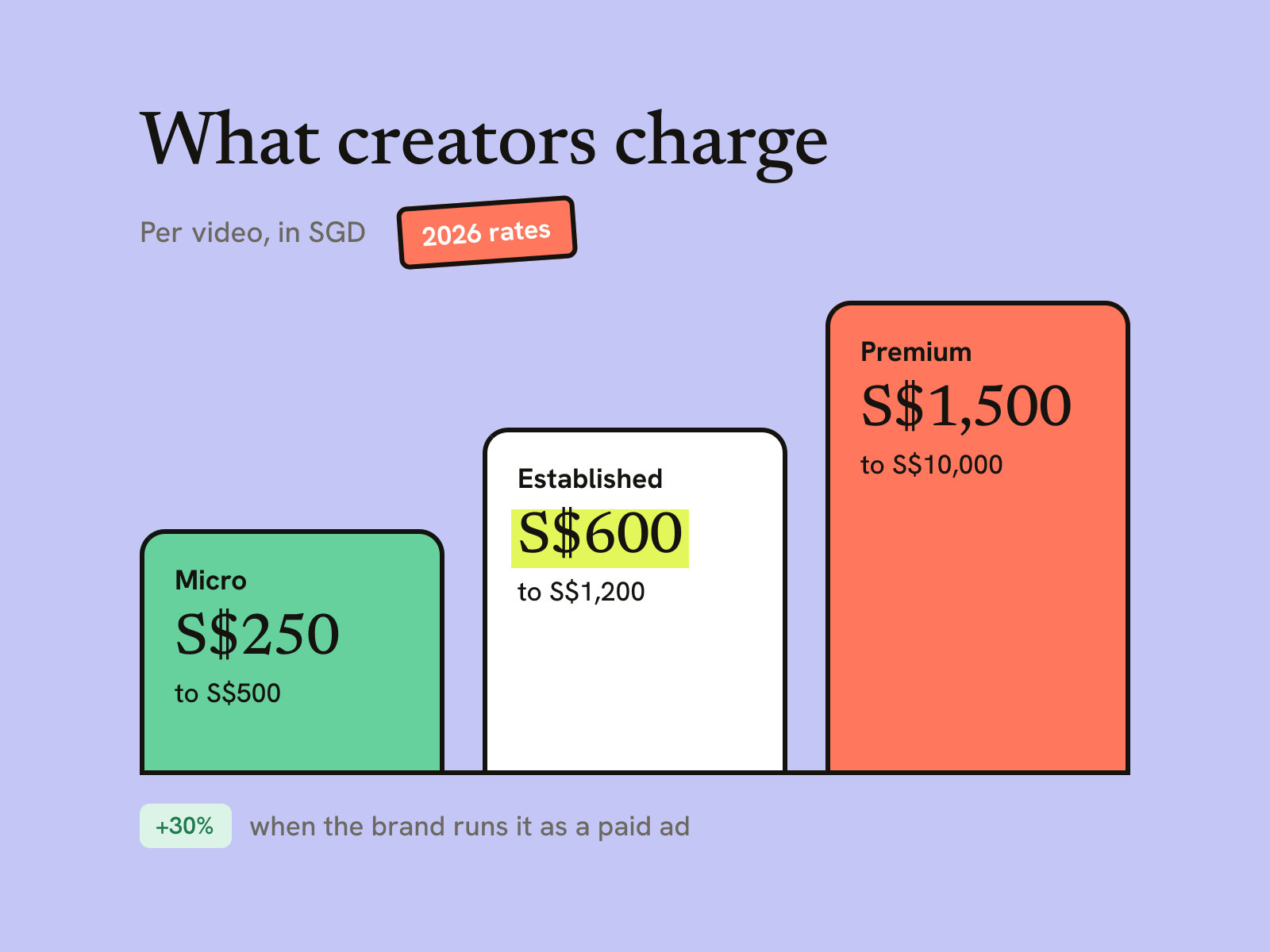 How Much Does It Cost to Hire a Creator? SG Rates 2026The honest 2026 cost of hiring a creator in Singapore: organic posts, UGC videos and advertising rates by scope, the add-ons that move the price, and how to hire without getting burned.
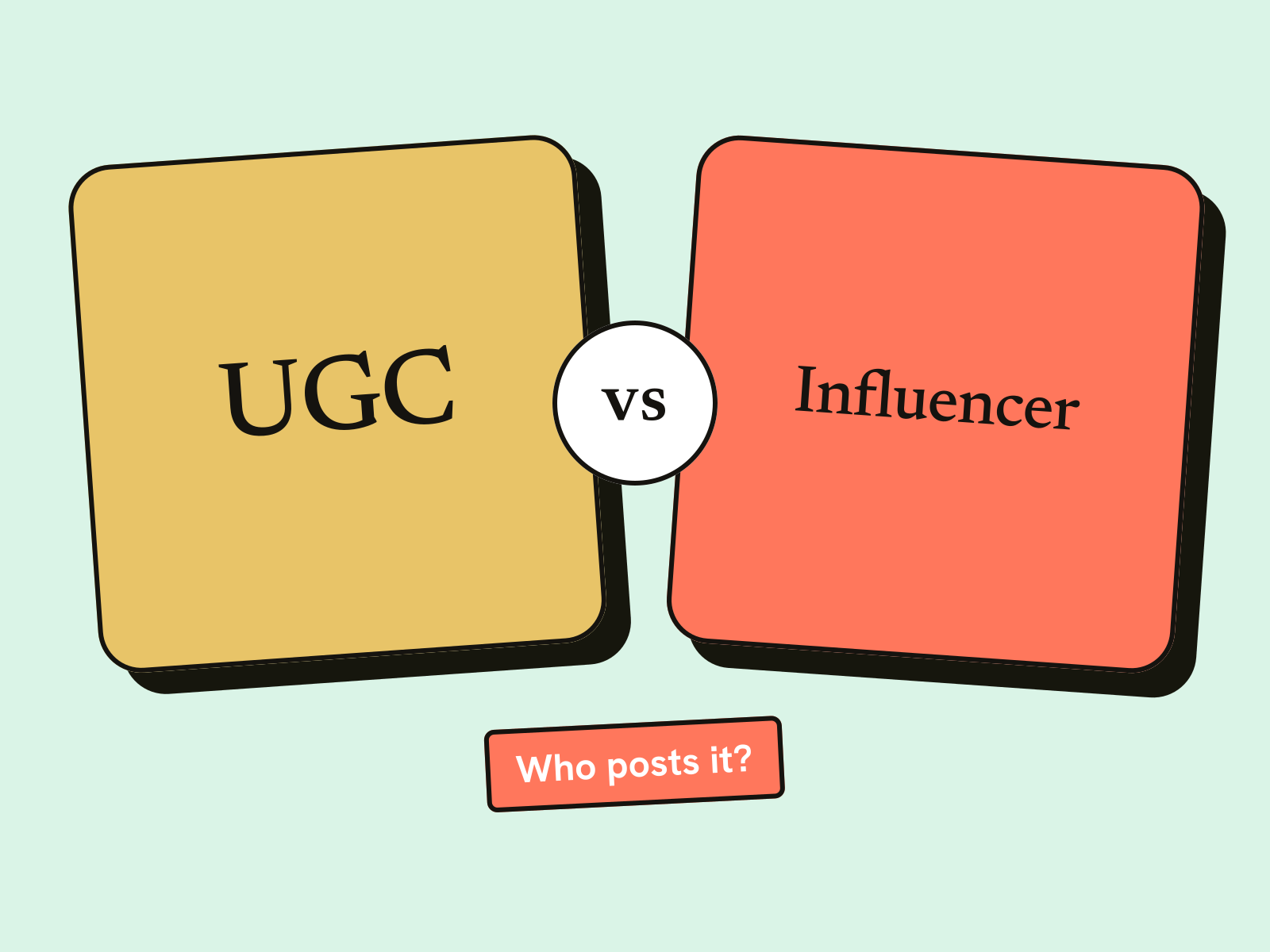 UGC vs Influencer Marketing: What's the Difference?Influencer marketing buys reach. UGC buys an asset you own and run as your own ad. Here is the difference in plain terms, with SGD costs, so you stop paying for followers you do not need.
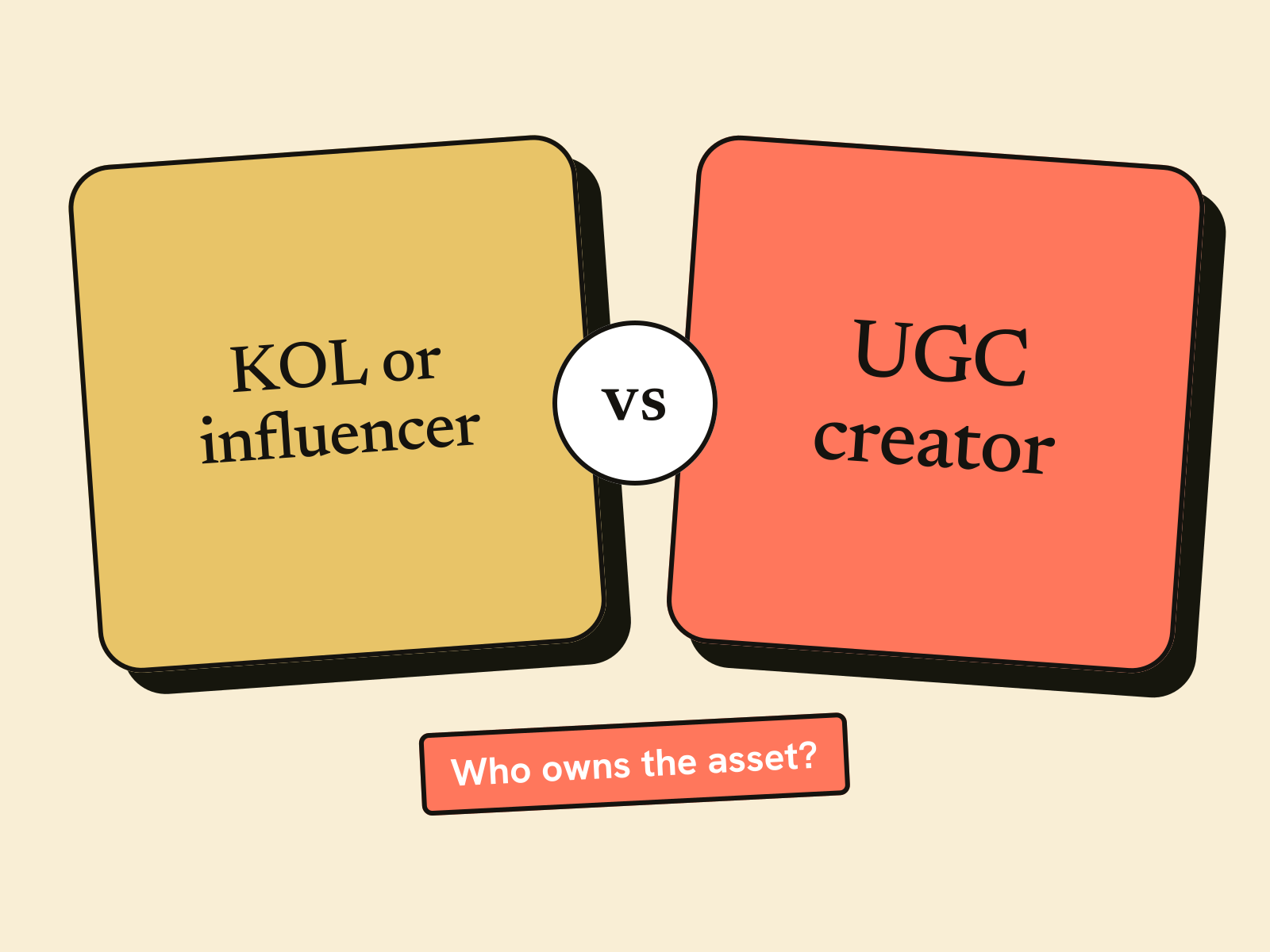 KOL vs Influencer vs UGC Creator: Key DifferencesKOLs and influencers both sell reach to their audience. A UGC creator sells content you own and run as your own ad. That single distinction changes your brief, your budget, and your contract.
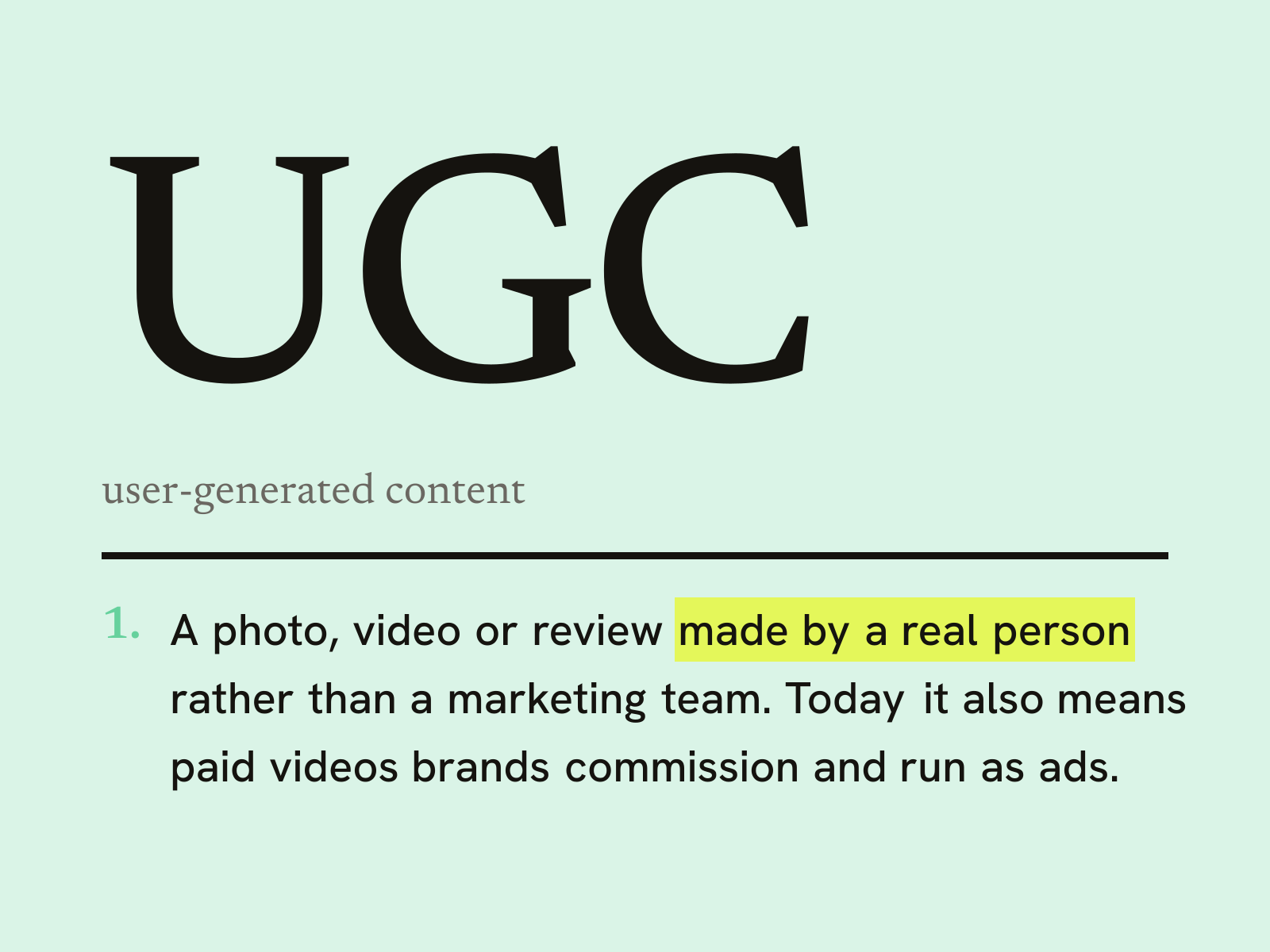 What Is UGC? The Plain-English Meaning ExplainedUGC stands for user-generated content. It is any photo, video, review or post made by a real person rather than a brand. Here is what it means, what formats it takes, and why it now drives most high-performing paid social.